Never Rarely Sometimes Always – 2020 Hittman

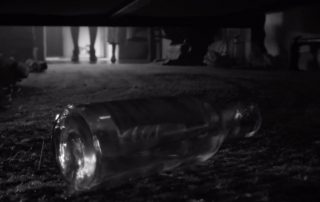
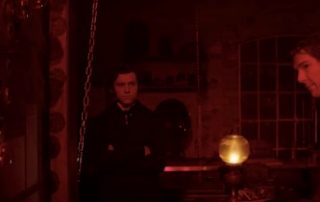
Eliza Hittman (writer/director) crafts the harrowing of a pregnant teenager Autumn (played by Sidney Flanigan in her debut) Shot in 16mm—realism, the story takes place over a few days where the characters get very little to no sleep and the actors look exhausted- as they should social realism like the Dardenne brothers—it is really a journey- a step by step procedural documenting Autumn finding out she is pregnant (with a little glimpse before hand into her homelife) to getting an abortion. And when I say “step by step” I mean we are going from the bus to the subway
Never Rarely Sometimes Always – 2020 Hittman2020-12-09T22:26:29-05:00

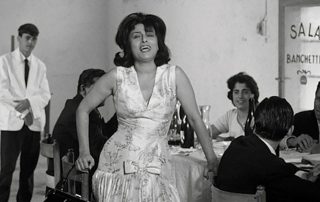
Mamma Roma – 1962 Pasolini

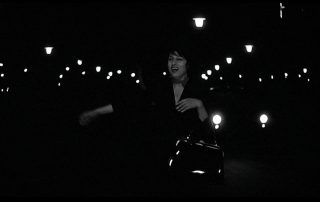
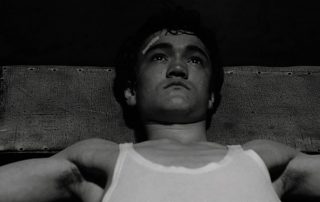
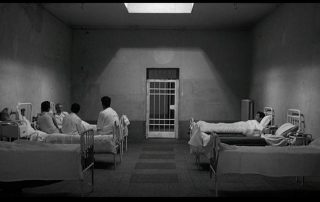
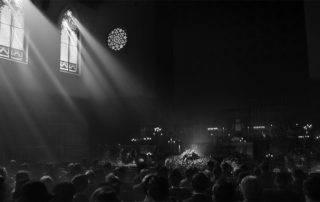
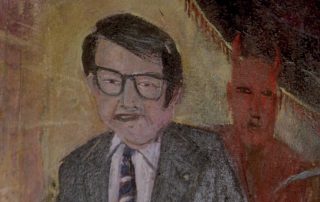
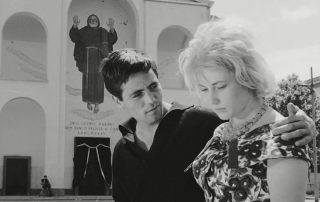
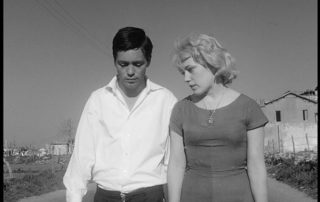
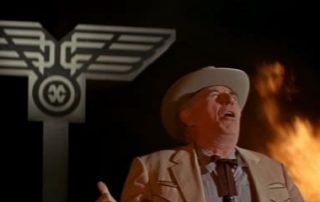
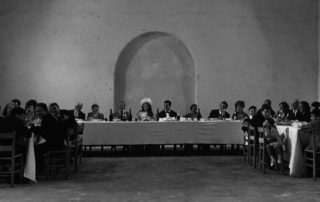
Mamma Roma is Pasolini’s sophomore effort - and a brilliant companion piece to his 1961 debut Accattone Like Accattone it is an acidically-laced religious (catholic in this case) parable rooted in the foundation of Italian neorealism (poverty/peasants in Italy, post-war ruins, forced into crime/theft). Like Accattone Pasolini eschews one of the so-called tenets of neorealism with the score- here instead of Bach it is Vivaldi. Opens on a wedding, the tableau arrangement like Leonardo da Vinci’s The Last Supper (unmistakable intention given the artist) with Anna Magnani (our titular sacrificial heroine) giving the gift of pigs to her ex-lover

Mamma Roma – 1962 Pasolini2025-12-30T20:44:48-05:00

Mank – 2020 Fincher

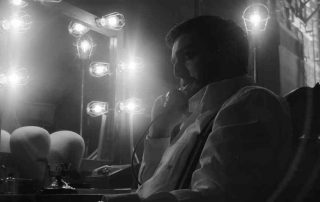
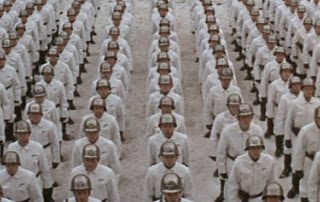
Mank is a thoroughly impressive work—meticulously crafted- even if it may not leave you gobsmacked- and that is always a little disappointing when you have an auteur the size of Fincher with a new film (his first in six years) and it doesn't immediately strike you as one of his best four-five films (not to say it definitively isn't) Oldman is outstanding (it may be his best work- I would need another viewing of this The Darkest Hour, and Sid and Nancy to make sure) and though he's not really a screenwriter (it is credited solely to his father who passed

Mank – 2020 Fincher2025-04-01T11:01:31-04:00

Wall Street – 1987 Stone

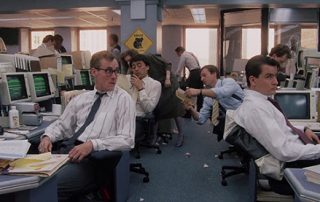
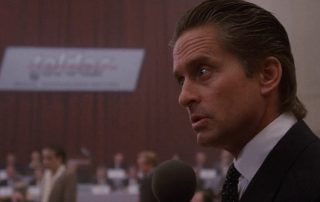
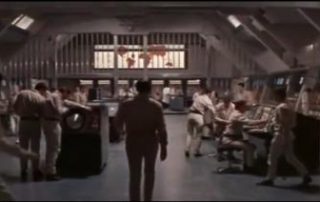
A very fertile period for director/writer/auteur Oliver Stone. This is the film directly following 1986’s Platoon where Stone and the film won the Academy Award for best picture and director—and Born on the Fourth of July is just two years away in 1989. The film also benefitted from being extremely timely- Black Monday- one of the worst days in the history of the stock market was on October 19th 1987—Wall Street was released a few weeks after in December 1987 Before his collaborations with Scorsese and Tarantino- DP Robert Richardson got his start with Stone- this doesn’t compare with
Wall Street – 1987 Stone2020-12-06T15:34:17-05:00

Accattone – 1961 Pasolini

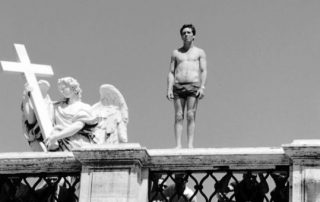
One of the strongest debut films this side of The 400 Blows or Breathless- Pier Paolo Pasolini arrives with Accattone at nearly the age of 40—and it is a fully realized mature work of art Before we get the first image the tone is set, there’s a passage from Dante—letting us know about the 20th century version of Hell (in this case Rome in the early 1960’s) we are about to visit. Also, Pasolini uses Bach’s sacred “St. Matthew’s Passion” for the score. If you recognize it, Scorsese also uses it (and Pasolini’s take on it) in the opening

Accattone – 1961 Pasolini2020-12-04T21:54:22-05:00

Heat and Dust – 1983 Ivory

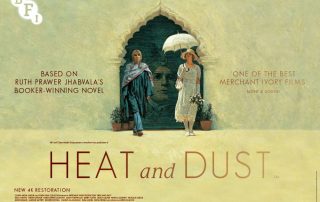
This is the first time back in India for Merchant/Ivory (and frequent writer Ruth Prawer Jhabvala—this her screenplay from her novel) after a decade. Their first five films were all shot in India going back to the 1960’s. There are really two narratives- parallel stories of Julie Christie’s (born in India) character (in contemporary 1980’s) retracing the steps of her grand-aunt (played by Greta Scacchi) in the same location in India in the 1920’s. It is a good post-40 role for Christie (her only archiveable film of the 1980’s)—apparently she turned down the Charlotte Rampling role in The Verdict
Heat and Dust – 1983 Ivory2020-12-02T21:51:46-05:00

Tideland – 2005 Gilliam

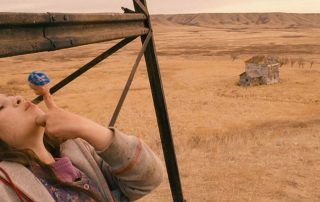
Terry Gilliam’s Tideland is admirably ambitious, frustratingly flawed and totally bizarre. Gilliam made it in a short six month break from the more expensive of his two 2005 releases, the much delayed The Brothers Grimm. This is the superior 2005 release for Gilliam though neither really compare with his best work in the 1980’s and 1990’s Tideland borrows from Lewis Carroll and Alice- as much of Gilliam’s work does—it has a southern gothic – sort of Beasts of the Southern Wild (which is 2012) meets Malick (any southern voice-over with strong photography makes you think Malick) meets del Toro

Tideland – 2005 Gilliam2022-03-16T13:35:50-04:00

The Current War – 2017 Gomez-Rejon

Whatever production or marketing issues may have befallen The Current War (it was largely shelved in 2017 after the Weinstein scandal and fallout)—the resulting work emerges as one of the best 15-20 films or so of 2017. It isn’t a biopic about Edison (Benedict Cumberbatch), Westinghouse (Michael Shannon), or Tesla (Nicholas Hoult)—but a story about their feud—sort of playing out like the newspaper wars of Samuel Fuller’s Park Row or, the one-upmanship of The Prestige (which not only also has Tesla in the film but a similarly impressive shot of the lights in in a field (which detractors of

The Current War – 2017 Gomez-Rejon2022-03-11T16:32:27-05:00

Bombshell – 2019 Roach

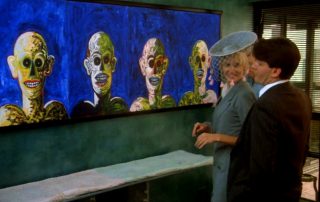
It is a Jay Roach film (Austin Powers, Meet the Parents) and clearly the idea behind this was to recreate the success of The Big Short - taking a serious timely topic/subject/ exposé, big stars (and this film has that) and a comic director (like Adam McKay). The results don’t quite land and although the film is engaging and, at times, funny (on top of stars it, like The Big Short casts comedians), I don’t think anyone is going to confuse Roach with McKay and his talents. There’s a little addressing the camera directly and some throwing around the

Bombshell – 2019 Roach2026-01-20T07:27:28-05:00

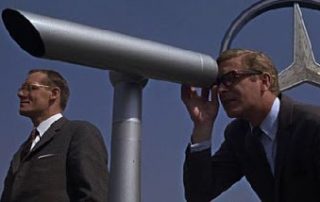
Billion Dollar Brain – 1967 Ken Russell

This is the third film in the Harry Palmer character series (played by Michael Caine) starting with The Ipcress File in 1965, then Funeral in Berlin in 1966. From the novels of Len Deighton and often compared with the James Bond series. This is Ken Russell’s second film as director and although he reported didn’t want to do it—he infuses many of the scenes and set pieces with high visual panache I'm thrilled I found this image- it is just a little throwaway transition scene in the film-- but anyone with two functioning eyes can see Ken Russell's

Billion Dollar Brain – 1967 Ken Russell2020-11-25T21:03:34-05:00

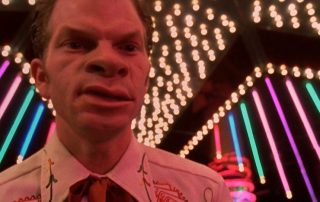
Fear and Loathing in Las Vegas – 1998 Gilliam

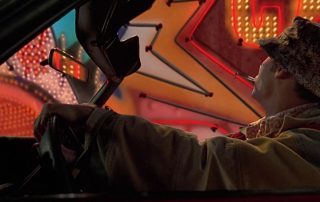
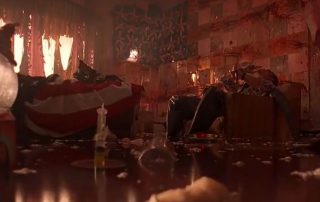
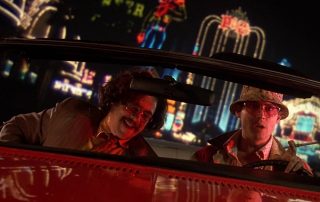
Terry Gilliam’s Fear and Loathing in Las Vegas is part Fantasia meets Yellow Submarine meets Fellini Satyricon. It would come after, but I’d also throw Linklater’s Waking Life into the mix— all wildly imaginative, visually inventive (three of the four references here are animated) and proudly plotless Johnny Depp provides the voice-over and is the lead- playing an absolutely mad Raoul Duke (Hunter S. Thompson) and Benicio Del Toro plays Dr. Gonzo. Both of these talented actors are clearly committed to the work. Depp is almost unrecognizable. If these two great actors (both in their prime in 1998—well Depp

Fear and Loathing in Las Vegas – 1998 Gilliam2020-11-24T13:24:20-05:00

Funeral in Berlin – 1966 Hamilton

It is a big step back from 1965’s The Ipcress File- but the next film in the Harry Palmer spy series still has a solid narrative—and Michael Caine is strong again- but the visuals are not on the same level. This is praise for Sidney Furie who directed The Ipcress File—because DP Otto Heller worked on both films. This series has much in common with the Bond series. It was known by many as the “thinking man’s Bond” (I’ll agree this is a little less broad) and Caine’s Palmer even jokes about his lack of sex appeal in the

Funeral in Berlin – 1966 Hamilton2026-03-03T07:24:03-05:00
Go to Top