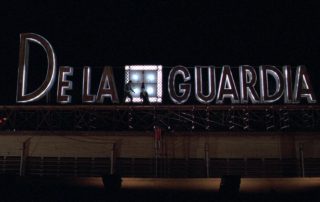
Sparkle – 1976 O’Steen

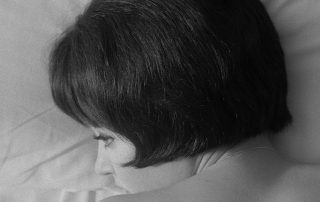
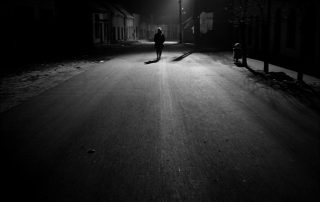
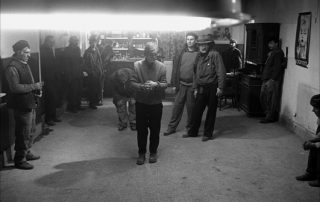
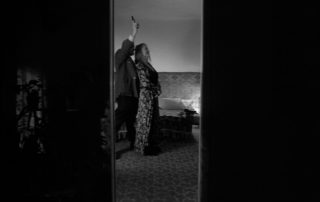
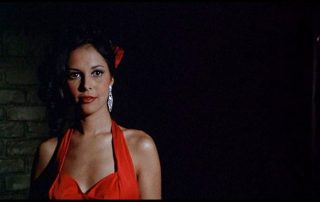
There is a lot of talent working here in Sparkle. Curtis Mayfield (Super Fly) does the score and songs, Bruce Surtees (Dirty Harry, Lenny) is the cinematographer, and I find it nearly impossible to believe that this film didn’t make Lonette McKee a massive star. McKee is probably most recognizable to cinephiles for her work with Spike Lee (small roles in Jungle Fever, Malcolm X, He Got Game). She’s 22 years old here and this is her debut- she’s magnetic. The Detroit-born singer and actress is beautiful and gifted- and frankly the film suffers in the last 20-minutes without
Sparkle – 1976 O’Steen2021-04-24T23:15:29-04:00

Cronos – 1993 del Toro

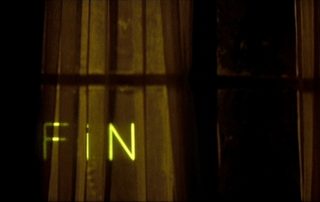
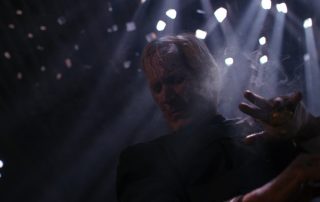
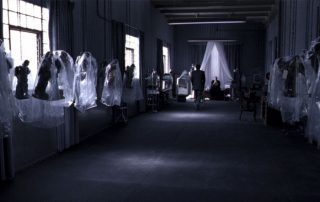
Guillermo del Toro was just 29-years young at the time of the release of his debut film Cronos. Only two years earlier Cuaron made his debut with Sólo con tu pareja (1991)—the two of them marking the Mexican New Wave- or Nuevo Cine Mexicano. Iñárritu got a later start with his debut in 2000 Opens with an enigmatic prologue on immortality and alchemy, the title of the film on a neon sign reflected off a puddle It is half monster movie, half moral fable—the friendly unknown is never the real evil for del Toro. He almost always has the

Cronos – 1993 del Toro2021-04-20T13:03:50-04:00

The Damned – 1969 Visconti

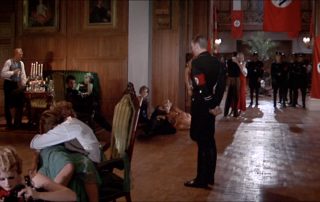
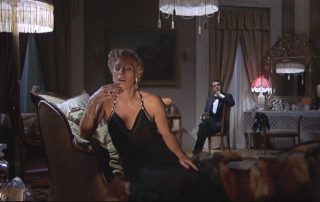
The fall and decay of a powerful, aristocratic family meets with the rise of a sweeping political movement- The Damned is definitely the work of the same artist as 1963’s The Leopard However, instead of complex blocking and medium-long distanced mise-en-scene décor work, Visconti’s primary stylistic tool in The Damned is the camera zoom- much like 1971’s Death in Venice The first of Visconti’s German trilogy. Death in Venice will follow in 1971 and then finally Ludwig in 1973 Rainer Werner Fassbinder called this the greatest film. You can see the influence in the lavish visuals, and inevitable tales of self-destruction

The Damned – 1969 Visconti2022-08-14T15:19:54-04:00

Sorry We Missed You – 2019 Loach

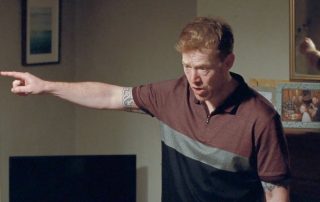
Fifty years after Loach’s career defining Kes, he’s still at it, refusing to go silently into that good night. Sorry We Missed You makes for a good companion of 2016’s I, Daniel Blake as well. These are good men, good women, trapped like a mouse in a maze or a fly in a financial spider web. This is an angry film- political, social realism. Here Loach takes on the gig economy, Amazon/courier, employee vs. contractor myth of freedom and self-employment. These constructs serve as an invisible fence around Kris Hitchen’s Ricky and his family There are little bouts of

Sorry We Missed You – 2019 Loach2021-04-18T13:42:21-04:00

Emma. – 2020 de Wilde

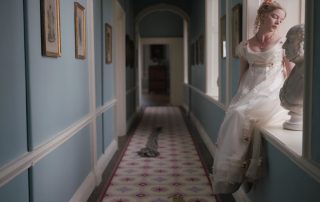
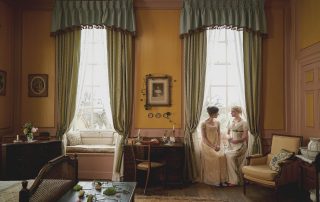
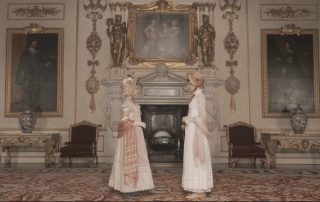
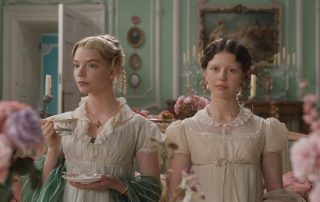
A pastel-infused triumph from debut filmmaker Autumn de Wilde Jane Austen and Anya Taylor-Joy do their part- but the entire mise-en-scene, from the décor to the costumes here is what sets it apart. There’s enough here to make Wes Anderson proud. Other films have been made in this mode, including Paddington 2 (2017). Wes Anderson is one of this generation’s greatest filmmakers- it would make sense to have this level of influence. Given the period genre Sofia Coppola’s Marie Antoinette is another. Early in the film Anya Taylor-Joy is in the handsome greenhouse and is framed by the door

Emma. – 2020 de Wilde2026-02-18T22:44:03-05:00

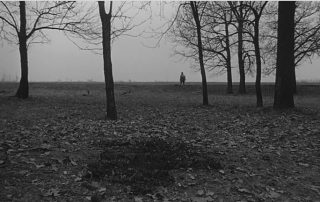
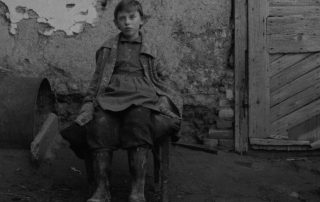
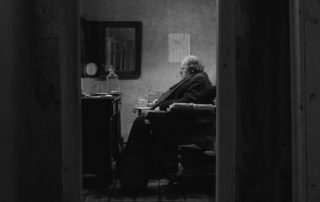
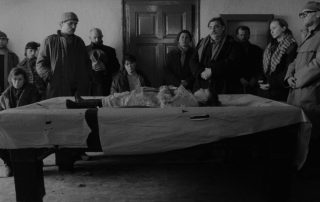
The Turin Horse – 2011 Tarr

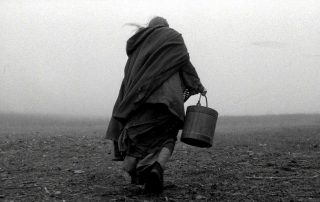
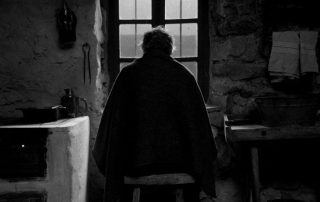
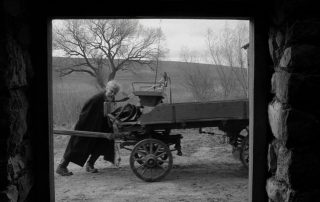
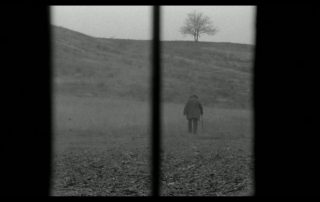
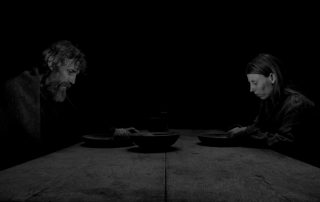
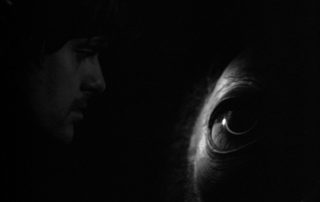
The Hungarian master, Bela Tarr, proclaimed The Turin Horse to be his last film at age 56. That’s regrettable, but if it is true, he’ll finish with a gigantic masterpiece. The Turin Horse is Tarr’s ninth film. It doesn’t have the saga-like sprawl of Satantango or Werckmeister Harmonies. Here, the location is confined (one farm, a barn, a house with one room, and the area directly surrounding). János Derzsi plays Ohlsdorfer, Erika Bók plays his daughter, and Mihály Kormos plays Bernard (Tarr himself called him some sort of Nietzschean shadow of a character). The horse is really the only

The Turin Horse – 2011 Tarr2021-04-16T18:57:28-04:00

Les Carabiniers – 1963 Godard

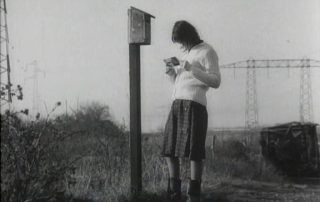
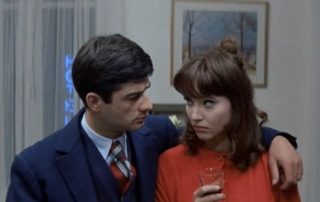
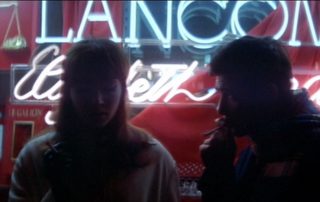
The nicest thing you can say about Les Carabiniers is that it is “minor-Godard”. Breathless, A Woman is a Woman, and Vivre Sa Vie feel revolutionary-- like Godard may be the greatest auteur working in 1963- but things come crashing back down to earth with Les Carabiniers. Frankly, It's a Mad, Mad, Mad, Mad World from Stanley Kramer is stronger. Clocking in at 75-minutes, this pitch-black war comedy feels like a 30 minute short stretched out an extra 45-minutes It does include Godard’s trademark jumps, and like A Woman Is a Woman, the warming up of the orchestra to
Les Carabiniers – 1963 Godard2021-04-15T13:29:27-04:00

Vivre Sa Vie – 1962 Godard

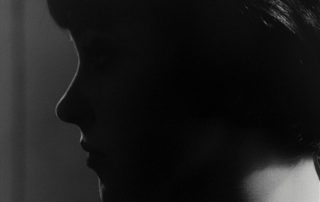
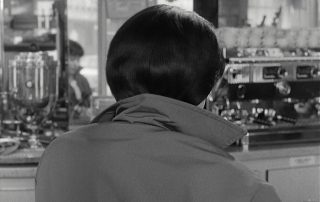
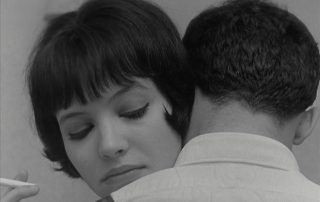
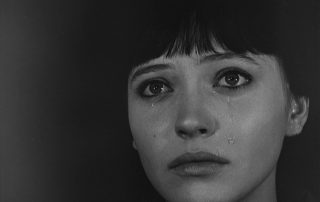
Vivre Sa Vie is Godard’s third released film. Its tone is certainly darker, less playful, than either Breathless or A Woman is a Woman- and after the flirtation with the wider screen and use of color in his 1961 musical release- he’s back to the aspect ratio: 1.37 : 1 and monochrome—both brilliant choices. The boxier screen lets Godard focus solely on his muse, Anna Karina, in these splendid, confining, claustrophobic close-ups. This is an examination of her character, Nana. Nana is a woman who leaves her family, tries to become an actress, and instead turns into a prostitute

Vivre Sa Vie – 1962 Godard2022-04-08T12:28:53-04:00

Werckmeister Harmonies – 2000 Tarr

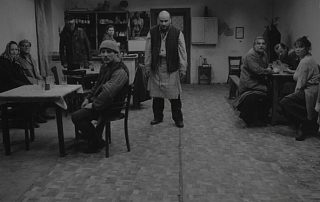
Werckmeister Harmonies is Hungarian auteur Bela Tarr’s seventh feature and first since his magnum opus 7+ hour masterpiece Satantango in 1994. The entire film is comprised of 39 shots over the course of 145 minutes From Ebert “if you're one of David Bordwell's ASL collectors: 3.7 minutes, as compared to, say, "The Bourne Supremacy" at 1.9 seconds”- Ebert quotes Tarr saying “I despite stories” - https://www.rogerebert.com/reviews/werckmeister-harmonies-2000 and Tarr picks up right where he left off- maybe even stronger- with a nearly 11-minute shot. Lars Rudolph play János. János enters a bar as it is about to close. He

Werckmeister Harmonies – 2000 Tarr2021-06-03T16:51:13-04:00

Satantango – 1994 Tarr

Bela Tarr’s sixth film (and big artistic breakthrough) clocks in at 439 minutes (just under 7 ½ hours)- Santantango is a momentous beacon of 1990s cinema—an important film for camera movement and grayscale photography It has a look and feel that is absolutely timeless- take place at any time, if you told me the film was shot in 1964 or it comes from the future-- 2024 I’d believe that as well Shot in long, measured takes- Tarr’s camera gliding, bypassing, circling characters in this little morose, Hungarian town It opens with about a 7-minute shot of cattle on a

Satantango – 1994 Tarr2021-09-08T17:46:09-04:00

V For Vendetta – 2005 McTeigue

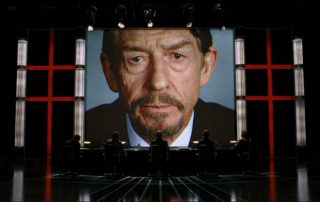
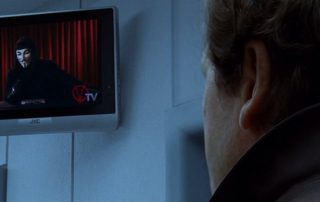
V For Vendetta is written by the Wachowskis (using them here because I haven’t heard from director James McTeigue before or since this film). You can see their hand in the story arc (an escape from a totalitarian state), costume work, and casting (Hugo Weaving’s vocal talents playing “V”). V For Vendetta is an Orwellian dystopia—with a bit of a wink with the casting as John Hurt is also from Michael Radford’s underrated 1984 (1984) An accented Natalie Portman in the lead. This is a resume-builder for really nobody involved unfortunately. There a giant screen with red crosses

V For Vendetta – 2005 McTeigue2021-04-09T15:01:00-04:00

A Woman is a Woman – 1961 Godard

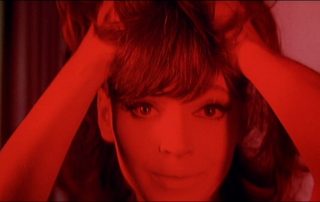
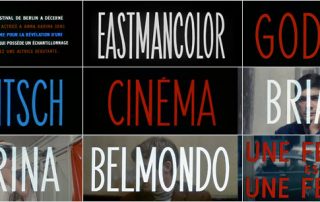
A Woman is a Woman (Une femme est une femme) was Godard’s third film shot and second released (Le Petit Soldat held up for years with censors). It is Godard’s first foray into color (pretty rare anywhere but Hollywood at this point still). This is before Truffaut (Fahrenheit 451 in 1966), Varda, Resnais, Demy and before others like Fellini, Antonioni, and Kurosawa started experimenting in color From the very opening with the title sequence it does feel like you’re in for something special. I can only imagine sitting there in 1961 waiting for this, Godard’s sophomore effort, after

A Woman is a Woman – 1961 Godard2021-03-01T18:15:50-05:00
Go to Top