The Body Snatcher – 1945 Wise

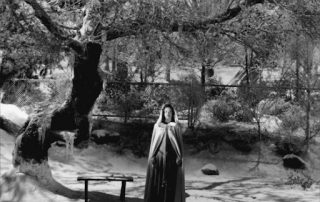
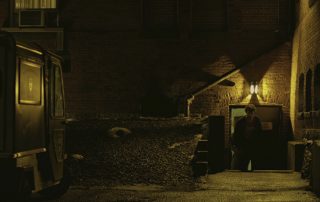
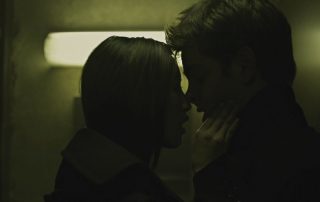
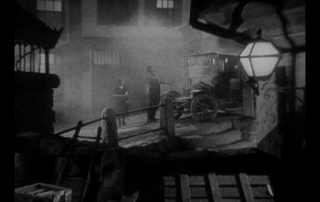
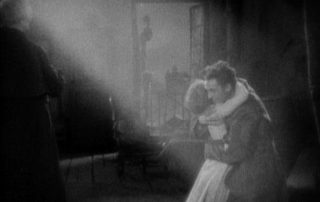
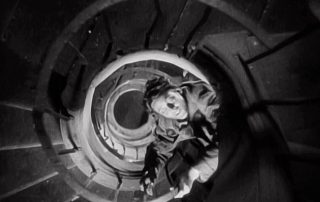
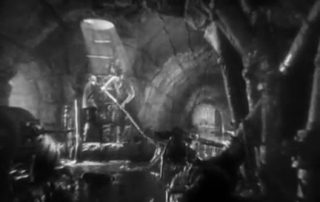
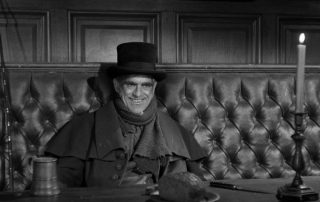
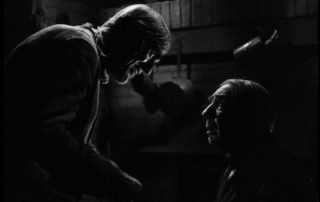
The first of three (3) Val Lewton and Boris Karloff collaborations in 1945 and 1946—the other two were directed by Mark Robson – Isle of the Dead and Bedlam.--- part of Lewton’s impressive run as producer as artist from 1942-1946 Like almost all of Lewton’s films, and the thriller/horror genre of the time- a tight short film- 78 minutes, atmospheric Karloff in another film about grave robbing like Frankenstein nearly 15 years prior (1931) Reoccurring singing street urchin girl—three times—grizzly ending A great shot at 41 minutes- Wise (his third feature, second solo) uses the doctors and students to
The Body Snatcher – 1945 Wise2026-10-30T06:39:57-04:00

Blind Chance – 1981 Kieslowski

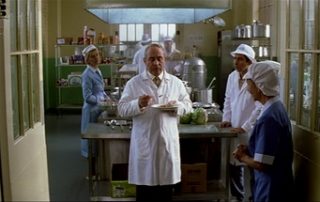
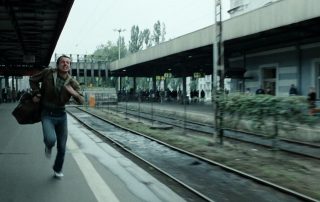
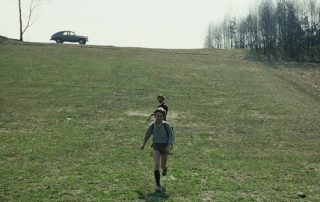
Kieslowski’s third feature, it was actually released in 1987 (which would make it his fourth film) because it was delayed because of political censorship. 99.99% of the time I use the release date, but this seems like the obvious outlier A bold narrative- choosing three different paths for Kieslowski’s protagonist Boguslaw Linda’s Witek. The films namesake isn’t being cute- this is a meditation on chance and fate. Small differences in his life lead to three different paths—it seems impossible that this wasn’t a major influence on Tom Tykwer’s (superior) Run Lola Run A gorgeous standalone frame with a car

Blind Chance – 1981 Kieslowski2020-10-03T12:41:11-04:00

Suburbia – 1983 Spheeris

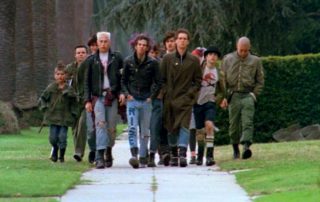
Penelope Spheeris’ first (available) feature film. She made a film with Richard Pryor in the late 1960’s that was destroyed I believe or doesn’t exist anymore, she is best known for making the documentary The Decline of the Western Civilization (about punk rock- our subject here in many ways) in 1981 and then a bunch of broad comedies in 1990’s. This is certainly more in line with the spirit of the documentary than Little Rascals and Black Sheep She uses real punk rockers (most aren’t good actors) for the realism. This is about a group of kids – a

Suburbia – 1983 Spheeris2020-10-02T13:22:08-04:00

Camera Buff – 1979 Kieslowski

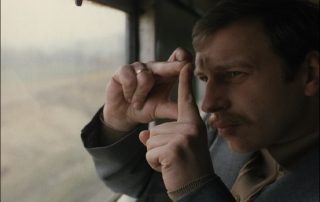
Kieslowski’s second feature- a superior character study- a parable of a simple man’s obsession Kieslowski really had about a 20 year career- his first feature was 1976- and passed away at far too young an age (54) in 1996 Two outright nods to the work of Ken Loach- the opening metaphor of hawk killing a chicken (from Kes) and then the lead here is flipping through a film studies book and you can clearly see Loach and Kes on the page. Social/political realism. Very early on we see his camera sweeping in on  Jerzy Stuhr’s Filip Mosz character when

Camera Buff – 1979 Kieslowski2020-10-02T12:57:37-04:00

The Curse of the Cat People – 1944 Wise, von Fritsch

Another in a string of strong atmospheric Val Lewton 1940’s “horror” films that aren’t really horror films Tight 70 minutes, a sequel to 1942’s Cat People. Kent Smith is as stiff as he was on the first one, and sadly Simone Simon (first billing here) is only in a few minutes of the film as the Ghost of Irena. The young Ann Carter is the main protagonist- she’s good Lulls you in—takes its time (despite being 70 mins) building up the character and putting you in her psychological headspace- she’s a loner, has an imagination, there’s cruelty in the

The Curse of the Cat People – 1944 Wise, von Fritsch2020-10-01T19:14:15-04:00

First Cow – 2019 Reichardt

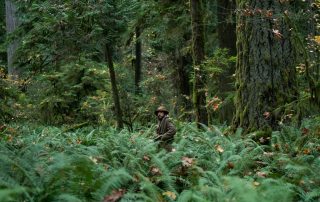
Kelly Reichardt’s seventh feature moves confidently and quietly—she clearly knows exactly what film she wants to make and it shows—and it is patient, understated The film opens in contemporary times with Alia Shawkat with her dog (she could be Wendy from Wendy and Lucy in Reichardt’s little cinematic universe of these tales in the pacific northwest) in the finding some human skeletons in the ground (the shot of the river and ship/barge make you aware we’re in modern times) before taking us back into the 19th century prolonged flashback with John Magaro’s Cookie looking for mushrooms in a dense

First Cow – 2019 Reichardt2020-10-01T14:28:49-04:00

The Scar – 1976 Kieslowski

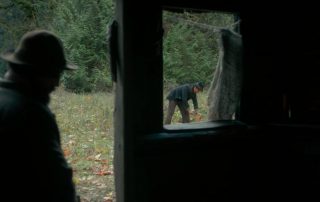
The feature debut for the great Krzysztof Kieslowski at age 35. He had made a ton of documentaries prior and this is certainly made with that background in mind- realism It is a study of a man, played by Franciszek Pieczka, the building of a factory in a community- the “development of a village”– about local politics and a damning tale of bureaucracy. Sort of like Grapes of Wrath but from the other point of view. We even have a bulldoze a house scene Opens of a shot through trees in a forest- a nice frame, static- medium long—Kieslowski

The Scar – 1976 Kieslowski2020-09-30T18:28:11-04:00

Felicia’s Journey – 1999 Egoyan

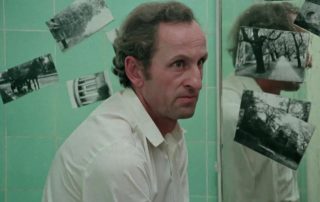
It is a disappointment coming off of Exotica and The Sweet Hereafter from Egoyan (and gets lost a bit in 1999’s incredible year)-- but certainly much stronger than the average film made by anyone else Opens with a gorgeous long floating tracking shot through an immaculately designed period interior—like the opening of The Irishman meets the home of Todd Haynes Far From Heaven (both films after this of course) It was jungle green in Exotica, red and green in The Adjuster, a sky blue in The Sweet Hereafter- Egoyan is back with his dedication to a specific color scheme

Felicia’s Journey – 1999 Egoyan2020-09-25T13:34:24-04:00

The Social Network – 2010 Fincher

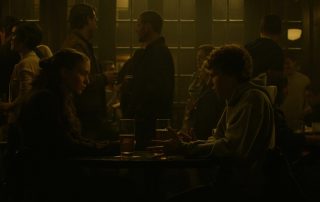
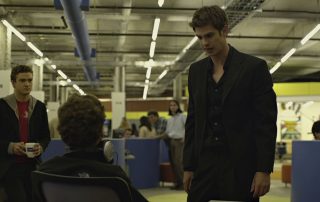
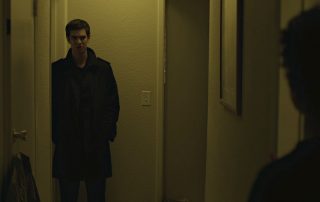
It’s a film that may combine the best work of both David Fincher and Aaron Sorkin Hard to top Travers: “The Social Network lights up a dim movie sky with flares of startling brilliance. Director David Fincher (Fight Club, Seven, Zodiac) puts his visual mastery to work on the verbal pyrotechnics in the dynamite, dick-swinging script by Aaron Sorkin (The West Wing), and they both do the best and ballsiest work of their careers. The Social Network gets you drunk on movies again. It deserves to go viral.” https://www.rollingstone.com/movies/movie-reviews/the-social-network-113030/ From the fist glorious (maybe the best single shot in

The Social Network – 2010 Fincher2020-09-24T19:12:35-04:00

7th Heaven – 1927 Borzage

One of the great romance dramas of the silent era- Frank Borzage’s 7th Heaven is indeed moving—but also features several stunning cinematic highpoints Opens on the streets of Paris just before the breakout of World War I. Charles Farrell is introduced working in the sewer (it isn’t Caligari but a great set design there with a light coming in on him that Borzage would pair with the final shot) quickly we’re introduced to Janet Gaynor as well (best known for Sunrise in the same year- the Oscar winner for best actress). It is a larger triumph for Gaynor than

7th Heaven – 1927 Borzage2020-09-23T19:32:45-04:00

Young Ahmed – 2019 Dardenne

It is a B-side, lesser work in the decade-spanning career of major auteurs – the Dardenne brothers The brothers are social realists—THE social realists of the last 20-30 years – a stripped down style, handheld camera, lots of close-ups, moral dilemmas often featuring amateur actors in real locations A brisk 85 minutes - almost like a tragic novella The Dardenne’s give leave breadcrumbs along the way telling the story of their titular character here- he has an absent father (he has a picture of him under his rug that he prays on), his mother drinks, he has a cousin

Young Ahmed – 2019 Dardenne2026-02-09T07:19:56-05:00

Timbuktu – 2014 Sissako

It is really a film about an occupation of a town– that’s Sissako’s message. In a way it isn’t much different from Shane or Rio Bravo (or say German films made during the occupation like The Seventh Cross I saw just a few weeks ago or even Casablanca). There is good and evil in this film as clearly as white hats and black hats in westerns (here they open with these evil men in trucks chasing down and shooting at poor animals) The local people are arrested for peacefully playing music, there is a new language barrier, soccer is

Timbuktu – 2014 Sissako2020-09-21T14:16:39-04:00
Go to Top