Kagemusha – 1980 Kurosawa

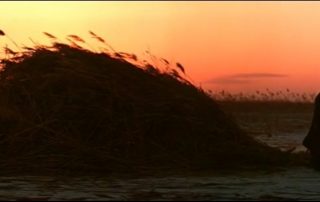
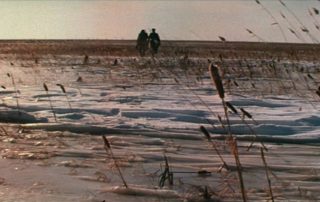
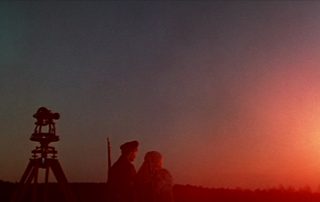
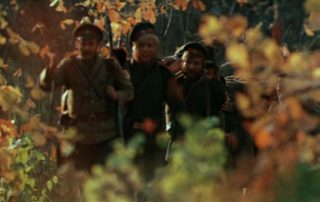
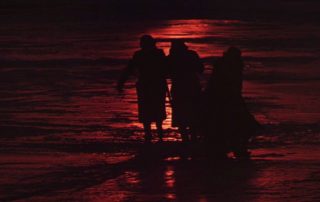
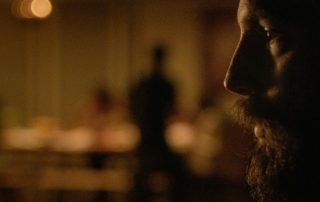
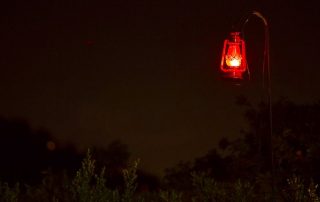
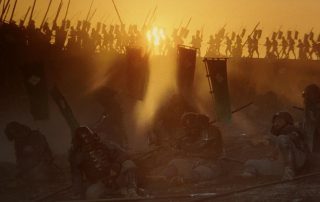
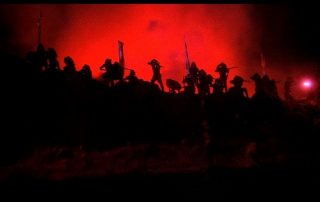
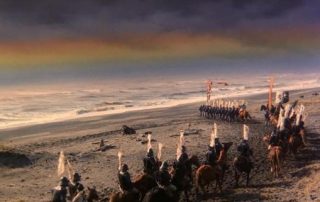
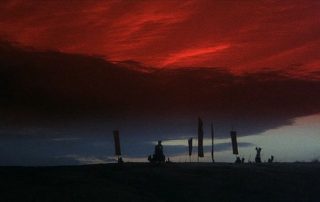
Kurosawa’s first film in five years since 1975’s Dersu Uzala – a three hour war epic Kurosawa audaciously paints the sky red Set in 16th century feudal Japan—this is not from Shakespeare (though if you aren’t familiar with his work it could probably fool you)—sort of Alexandre Dumas The Man in the Iron Mask in some ways, too Set in 16th century feudal Japan—this is not from Shakespeare (though if you aren’t familiar with his work it could probably fool you)—sort of Alexandre Dumas The Man in the Iron Mask in some ways, too A
Kagemusha – 1980 Kurosawa2023-10-04T19:43:42-04:00

Richard Jewell – 2019 Eastwood

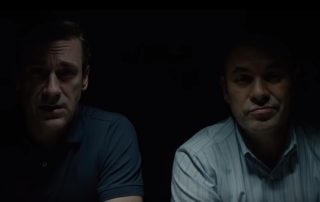
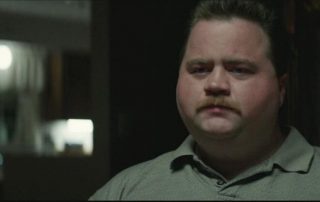
It is a far cry from Eastwood’s magnificent run in the early to mid-2000s (he hasn’t had a Highly Recommend top-10 of the year level film or better since 2006) but it is an engaging narrative with a terrific lead performance from Paul Walter Hauser who came on the scene in I, Tonya and BlackKklansman in recent years a terrific lead performance from Paul Walter Hauser who came on the scene in I, Tonya and BlackKklansman in recent years Eastwood's use of muted greens, blues in the decor--- paired with the shadows and darkness is there-- again---

Richard Jewell – 2019 Eastwood2025-12-30T17:18:42-05:00

Serpico – 1973 Lumet

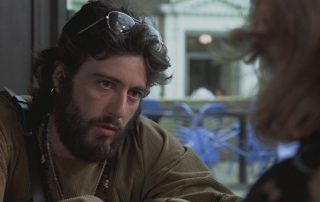
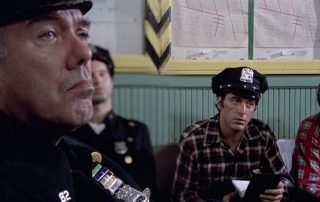
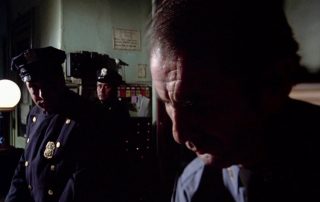
Sidney Lumet’s Serpico is a superb crime procedural and a rich character study—the achievement here may be even greater for Pacino than it is for Lumet Pacino is just in the middle of one of the great five year stretches for an actor. Panic in Needle Park in 1971, The Godfather in 1972, this and Scarecrow in 1973, The Godfather Part II and Dog Day Afternoon in 1975… wow Pacino carries the film- he’s in nearly every frame of the 130 minutes—there are a dozen scenes where he gets to erupt and flesh out this rich character. But

Serpico – 1973 Lumet2020-08-28T20:39:49-04:00

Dersu Uzala – 1975 Kurosawa

Kurosawa worked in the USSR (shot on location in Taiga) for Dersu Uzala- his first film in five years, his second in color, first on the larger Sovoscope 70mm canvas Shot almost entirely in exteriors – the Siberian taiga – Kurosawa catching the colors of the seasons (certainly his use of weather, all over the place here, a trait throughout his work) Shot almost entirely in exteriors – the Siberian taiga – Kurosawa catching the colors and changes of the seasons (certainly his use of the elements, all over the place here, a trait throughout his work)

Dersu Uzala – 1975 Kurosawa2025-12-30T20:43:29-05:00

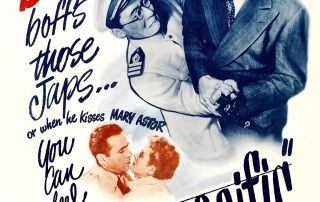
Across the Pacific – 1942 Huston

Across the Pacific gets the gang back together from 1941’s The Maltese Falcon- Warners, John Huston, Bogart, Mary Aster, Sydney Greenstreet—this is actually Huston’s third film (a film between debut Falcon and this is a Bette Davis vehicle In This Our Life which I have not yet scene) Huston left for the war before finishing—saying to the guy taking over (about the plot) essentially “you figure it out”- haha Don Siegel does some of the montage work (also for Casablanca and a few others during this stretch) Bogart’s character is named Rick— he’d make another Warners classic in 1942

Across the Pacific – 1942 Huston2020-08-26T19:33:38-04:00

Ossessione – 1943 Visconti

An important film in the history of film noir, Italian neorealism (even if it doesn’t fit most of the characteristics of the movement), and Italian cinema in general The beginning of Luchino Visconti’s distinguished career as auteur- and despite fitting into (or starting) these genres and movements, it is his fully his film—a Visconti film—and has much in common with Senso and Death in Venice for example. Visconti seems to have arrived as a fully formed mature voice as an artist- this is an accomplished work and one of cinema’s great debut films. Visconti did work as an apprentice

Ossessione – 1943 Visconti2020-08-24T19:44:25-04:00

Intermezzo – 1936 Molander

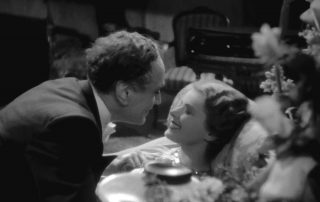
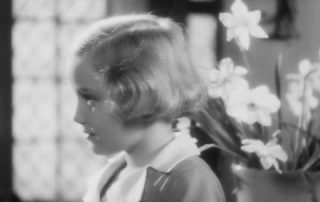
You’ll leave impressed by the young Ingrid Bergman (age 21 here) as you probably expect to be given the film’s reputation as her start—but the big takeaway from the film is Gustaf Molander’s dedication to the artistry of the frame. Specifically, there are a dozen or more frames loaded with floral arrangements. And not just sitting on a table in the background either (and that does happen)- but in frame in the foreground with the main action going on just beyond it You’ll leave impressed by the young Ingrid Bergman (age 21 here) as you probably expect to

Intermezzo – 1936 Molander2020-08-23T12:34:32-04:00

La Belle Noiseuse – 1991 Rivette

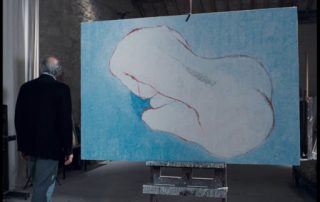
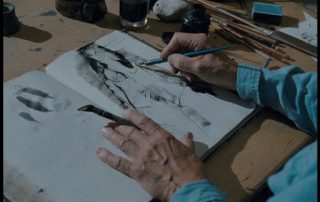
At two minutes shy of four hours—Rivette is an auteur who certainly uses duration and works in long form. I’m not entirely sure if Rivette was part of the Andy Warhol avant-garde influence in the 1960’s or not Starts and ends with Emmanuelle Béart’s voice-over narration. The film is split into two parts like a 1960’s epic (no musical interlude or anything though)—there is one “but the next morning…” title which is a wink to Rivette’s 1974 Celine and Julie Go Boating It is a detailed portrayal of the artistic process – Michel Piccoli’s Edouard Frenhofer is creating a

La Belle Noiseuse – 1991 Rivette2020-08-21T13:09:17-04:00

Never So Few – 1959 John Sturges

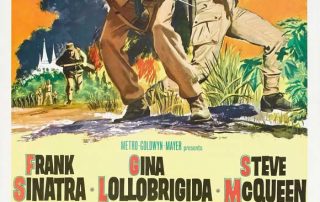
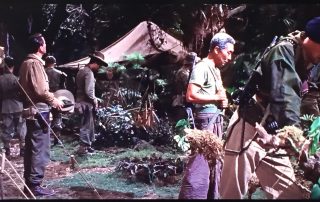
A fringe recommendation—but it is a John Sturges film—action, a rag-tag crew of men from different backgrounds (like Magnificent Seven, Great Escape), masculine I wish there were more- but there is one stunning composition at the 17 minute mark. It is just staggered men throughout the frame—carefully arranged and different spots and depths. The influence of Kurosawa (and remember Sturges would remake Seven Samurai the next year). Sturges’ Bad Day at Black Rock has a few of these compositions. There are 8-9 bodies in the frame (the very wide Cinemascope frame) posing solemnly after a mercy killing from the

Never So Few – 1959 John Sturges2020-08-20T20:01:49-04:00

The Invitation – 2015 Kusama

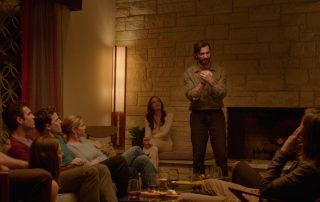
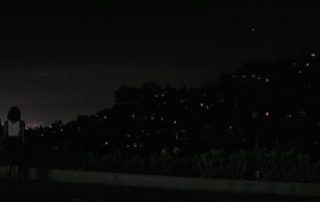
A slow-burn thriller/horror with a tremendous payoff in the last twenty (20) minutes intelligent and intriguing throughout-- with a spellbinding final 20 minutes The lead is played by Tom Hardy doppelgänger Logan Marshall-Green – who is very good in the role. Cracks me up though when actors come up like this- the Michael Pitt thing (and I think he’s good, too) with DiCaprio in the early 2000’s Marshall-Green’s Will character is haunted by past trauma, and is invited to an awkwardly tense dinner party with his ex-Wife at their LA mansion in the hills. Beautiful lighting design

The Invitation – 2015 Kusama2025-05-08T17:04:47-04:00

Dodes’ka-den – 1970 Kurosawa

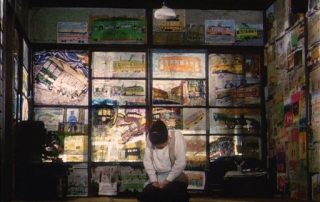
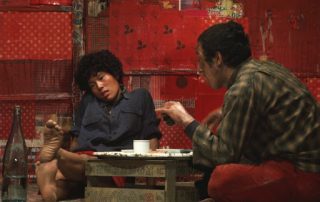
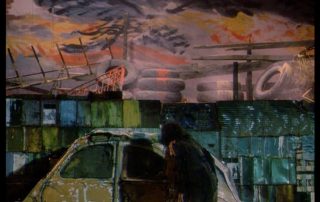
First film in five years off for Kurosawa (Red Beard)- his first in a long time without Mifune (I believe 1952’s Ikiru), first film in color, first film in a long time (since 1957) with the boxier 1.37 : 1 aspect ratio  (no longer the wide Tohoschope here). After the film he’d attempt suicide in 1971, wouldn’t work again until 1975’s Dersu Uzala financed in Russia and shot in Siberia opens on the dwelling of the young child (for which we get the name of the film- this is the sound his pretend train makes--- (have to think about

Dodes’ka-den – 1970 Kurosawa2020-08-20T16:05:35-04:00

Duelle – 1976 Rivette

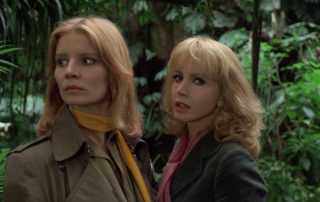
Near the very end of Rivette’s Duelle, his accidental detective character (just like Paris Belongs to Us – his debut in 1961) says, ominously, “Two and two no longer makes four”… Indeed, Rivette’s Duelle is a post-modern labyrinth. It is best (at least in first viewing) just to let the individual scenes and imagery wash over you If the indigestibility of the plot is a nephew to Hawks’ The Big Sleep—well then the playful take on genre- the American detective film or noir-- a distant cousin to Godard’s post-genre exploration Pierrot le Fou in 1965)--- experimental use of color-

Duelle – 1976 Rivette2020-08-19T14:38:20-04:00
Go to Top