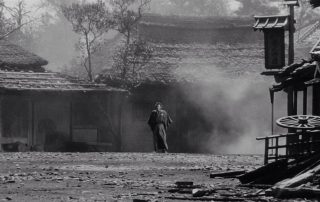
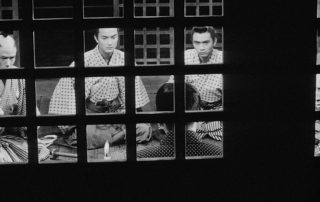
Sanjuro – 1962 Kurosawa

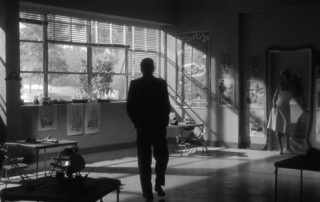
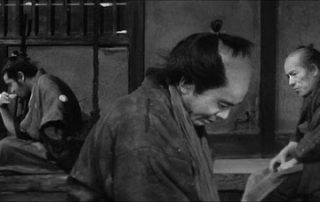
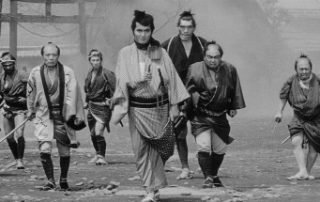
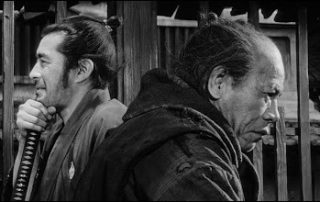
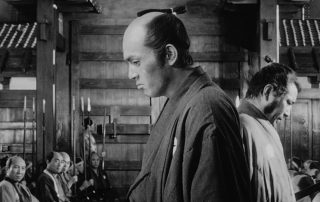
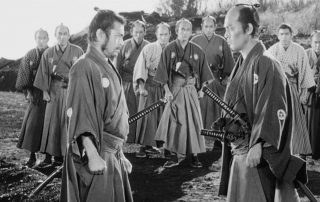
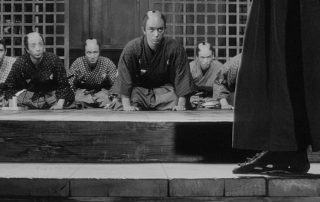
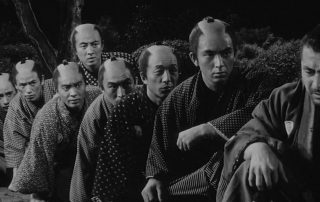
The narrative lacks the brilliance and freshness of Yojimbo (that can happen with sequels- same music borrowed here) and the worldview is a little more optimistic than Kurosawa’s finest work—but damn, Kurosawa sets up immaculate deep focus, layered, widescreen composition after composition and pack them into the 96 minute running time a strong variation on the same shot in Yojimbo-- one of the best here from Sanjuro Starts with a bang, there is a meeting of the clan of nine (of which Mifune’s titular ronin character will eventually become a part of) – and Kurosawa has five
Sanjuro – 1962 Kurosawa2020-07-29T17:21:18-04:00

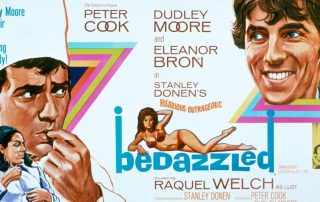
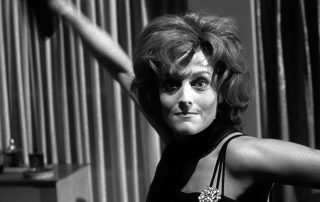
Bedazzled – 1967 Donen

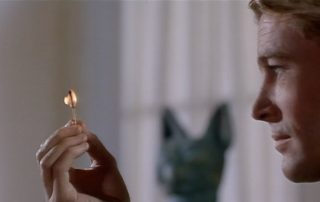
A very funny film, it is no great accomplishment for Stanley Donen—any number of directors could have pointed the camera and comedians Dudley Moore and Peter Cook Moore and Cook were a sketch comedy duo—talented. Cook wrote the story and screenplay and he plays the devil character (played by Elizabeth Hurley in the 2000 remake by Harold Ramis starring Brendan Fraser which isn’t very good) Moore does the music Making a comedy of suicide here- four years before 1971’s Harold and Maude “the interior decorating is ‘early Hitler’” – haha It is a pretty straight forward comedy scenerio—Cook plays

Bedazzled – 1967 Donen2020-07-28T20:41:02-04:00

The Naked Kiss – 1964 Fuller

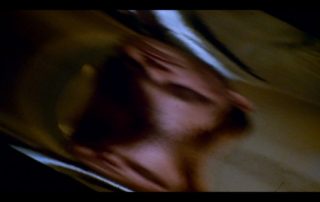
An abnormal blend of B-movie melodrama and crime thriller—only Sam Fuller could deliver A strong opening- hand-held camera of Constance Towers (back with Fuller from their work together the year before in Shock Corridor) in a shaky POV close-up wearing a wig and beating a man with her purse to a loud jazz score- haha Fuller is about peeling back the truth- here there’s small-town hypocrisy (this would fit right in with David Lynch’s world- the seedy underbelly of this suburban morally righteous town (and cop). Intentionally hokey (like Lynch)- taking care of children in the hospital wildly unsubtle

The Naked Kiss – 1964 Fuller2020-07-28T17:35:22-04:00

Lawrence of Arabia – 1962 Lean

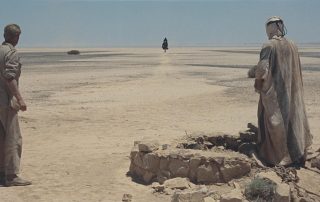
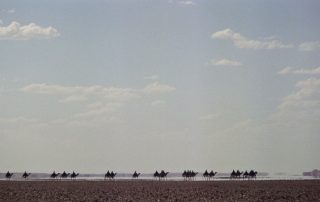
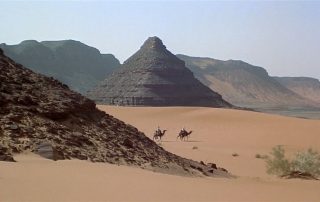
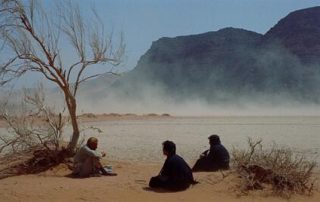
David Lean’s Lawrence of Arabia is both the smartest epic (not a description you’d give to many in the genre actually) and the most epic of epics. Lean’s ability to capture the breathtaking locations with  65mm/70mm photography is simply unmatched in cinema history. David Lean’s Lawrence of Arabia is both the smartest epic and the most epic of epics. It is a masterpiece made of the long shot. There are 50-100 of these shots truly a brilliant shot here- foreground and deep background, staggering the figures on the front right -- Visconti meets the epic

Lawrence of Arabia – 1962 Lean2020-07-26T02:29:49-04:00

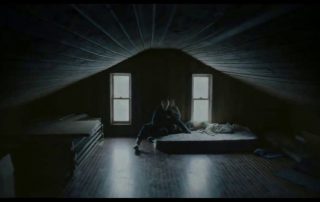
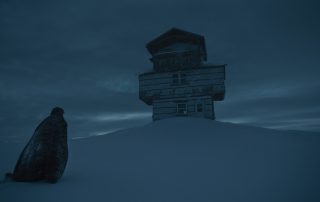
The Lodge – 2019 Fiala & Franz

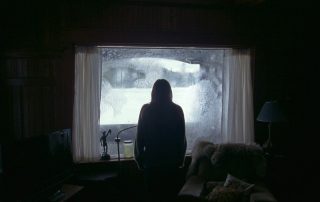
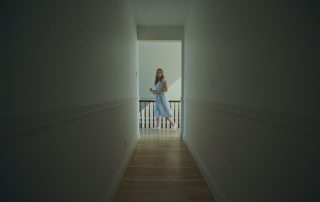
It’s hard not to see Hereditary (out in 2018- a year before) in the formal construct of the horror film with a reoccurring dollhouse motif- but still- this is a unique enough effort- and undoubtedly a sign I owe 2014’s Goodnight Mommy (the 2014 debut of the Austrian auteur duo of Severin Fiala &Veronika Franz) another (and closer) viewing It’s hard not to see Hereditary (out in 2018- a year before) in the formal construct of the horror film with a reoccurring dollhouse motif Opens on that dollhouse—immaculate miniature craftsmanship. The film makes strong use of reoccurring

The Lodge – 2019 Fiala & Franz2020-07-22T10:49:20-04:00

Yojimbo – 1961 Kurosawa

Another outstanding Kurosawa effort where you could write 1000 words on the cultural impact and cinematic influence. Certainly without Yojimbo- we wouldn’t have Fistful of Dollars which was the breakthrough film for both Sergio Leone and Clint Eastwood (two of the best 100 directors of all-time and one top 25 or so actor). That leads directly to Sergio Corbucci’s Django (essentially the same plot)- and we’re still seeing the reverberations of that today in 21st century cinema obviously (Tarantino). This is a pillar- an archetype. It isn’t just the western (genre) influence of say John Ford on Kurosawa. The

Yojimbo – 1961 Kurosawa2020-07-21T20:46:32-04:00

Code of Silence – 1985 Andrew Davis

It feels strange archiving a Chuck Norris film Andrew Davis is no auteur- but he’s a solid director putting together a string of excellent films starting with this in 1985, The Package in 1989 with Gene Hackman. Then in 1992 it is Under Siege and in 1993 The Fugitive. Speaking of The Fugitive. This is also set in Chicago and has about half of the same ensemble cast playing the cops—if you’ve seen The Fugitive 10 times like I have you’ll recognize all the same faces A brilliant 1980’s musical score by David Michael Frank—it feels like half Risky

Code of Silence – 1985 Andrew Davis2020-07-20T20:16:38-04:00

The Talented Mr. Ripley – 1999 Minghella

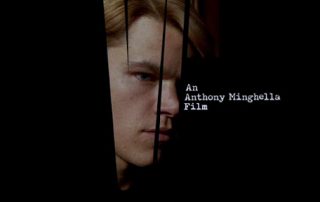
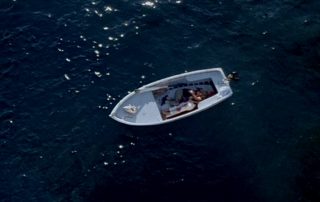
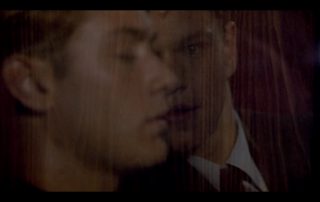
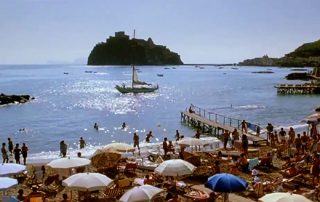
Anthony Minghella parlayed the artistic and financial success of 1996 The English Patient into this large-canvas, picturesque revenge thriller A meditation of infatuation and envy To me this is sacred text- Patricia Highsmith’s work. Ripley is such an all-time great character. He’s intelligent- a sociopath. It is hard not to bring about comparisons of another Highsmith novel adaptation – Hitchcock’s Strangers on a Train (1951) and the previous adaptation of this particular novel, 1960’s Purple Noon from René Clément The opening credit sequence is very inspired- piano keys and fracturing of the images of Matt Damon’s Tom Ripley

The Talented Mr. Ripley – 1999 Minghella2024-02-01T22:33:00-05:00

Shock Corridor – 1963 Fuller

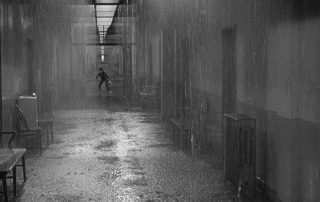
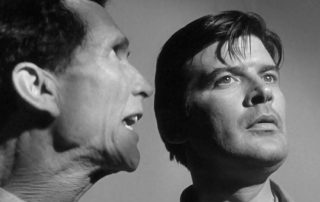
Not Fuller’s best (that’s Park Row or Pickup on South Street) but it is the most Sam Fuller of Sam Fuller films; low budget, overflowing with energy, bad taste, unsubtle--- full of fresh ideas, reveling in its salacious content Nymphomaniacs, fetishism, incest, impotence—haha- wild—lots of screaming and a long take Constance Towers striptease Shot in 10 days, one set, no exteriors Like many of Fuller’s films it is a reporter expose. Peter Breck (who just isn’t amazing here) plays Johnny Barrett- a reporter who fakes mental illness to get his way into an insane asylum (mental hospital) to investigate

Shock Corridor – 1963 Fuller2020-07-17T20:07:50-04:00

Broadway Melody of 1940 – 1940 Taurog

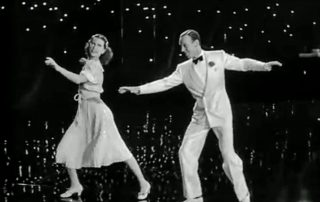
The fourth and final film in the series- the best one and the first one with Fred Astaire (probably no coincidence) Frank Morgan (from Wizard of Oz, The Shop Around the Corner and a lot more) with some nice comic relief The premise is basically a mistaken identity love triangle where Astaire’s character gives a fake name (of his buddy) while avoiding creditors. There’s a nice buildup over the course of the film for both the big opening night (all of these films are about the theater of course) and we all want to see Eleanor Powell and Astaire

Broadway Melody of 1940 – 1940 Taurog2020-07-16T13:31:00-04:00

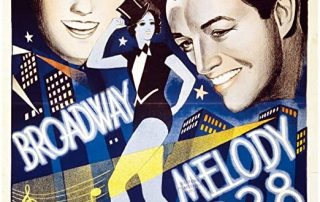
Broadway Melody of 1938 – 1937 Del Ruth

The third in the series here—they add a young talented Judy Garland (age 15, her second film) and make a bigger role for Buddy Ebsen but this one still misses the sharp wit of Jack Benny A nice opening crane shot from the top of the metropolitan on down with the camera driving in to watch the show with the crowd—it absolutely works as if you’re about to see a big show Again- the tall lean Ebsen can dance and make for laughs- “opera isn’t as bad as it sounds”- haha Robert Taylor mostly just stands there and looks

Broadway Melody of 1938 – 1937 Del Ruth2020-07-16T10:54:47-04:00

One-Eyed Jacks – 1961 Brando

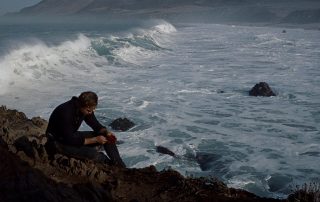
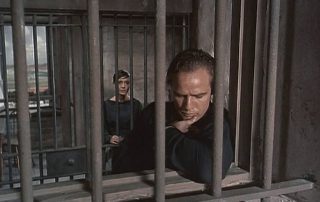
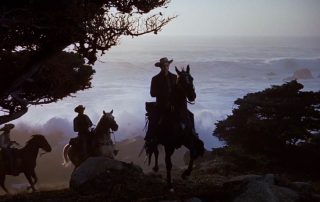
The one and only film directed by Brando There are so many rumors about the production—it was a little 1960’s version of Heaven’s Gate  with the production issues Brando may not have known what he was doing (he’s an undeniably great artist and actor) behind the camera but he hired the right DP (Charles Lang has a crazy-strong resume) and surrounded himself with a talented cast (Karl Malden, Katy Jurado, Ben Johnson, Slim Pickens) A great sandstorm sequence at 20 minutes Boils down to a fairly simple revenge story- but certainly paced like an art-house film in the way

One-Eyed Jacks – 1961 Brando2020-07-15T19:25:28-04:00
Go to Top